

What Are Relief Paintings?
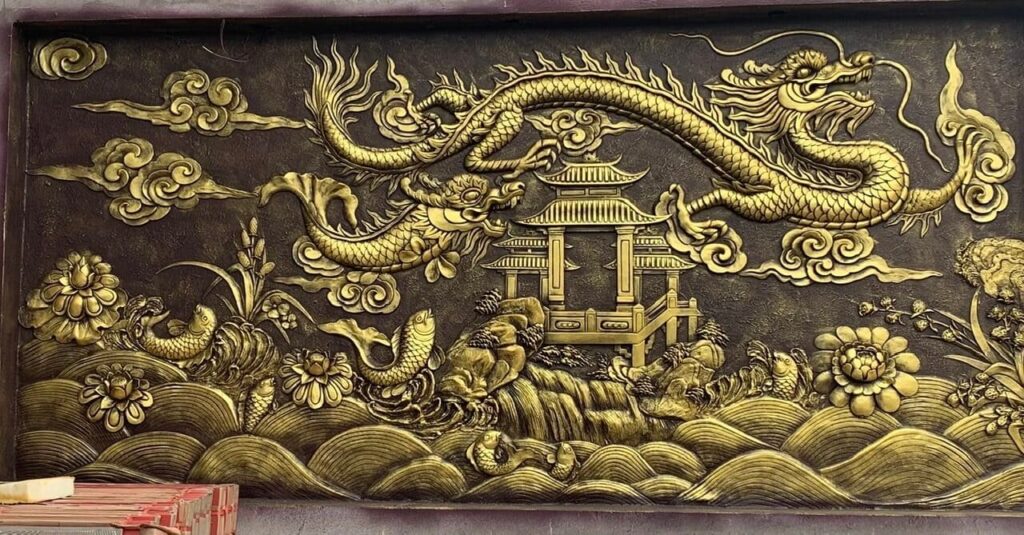
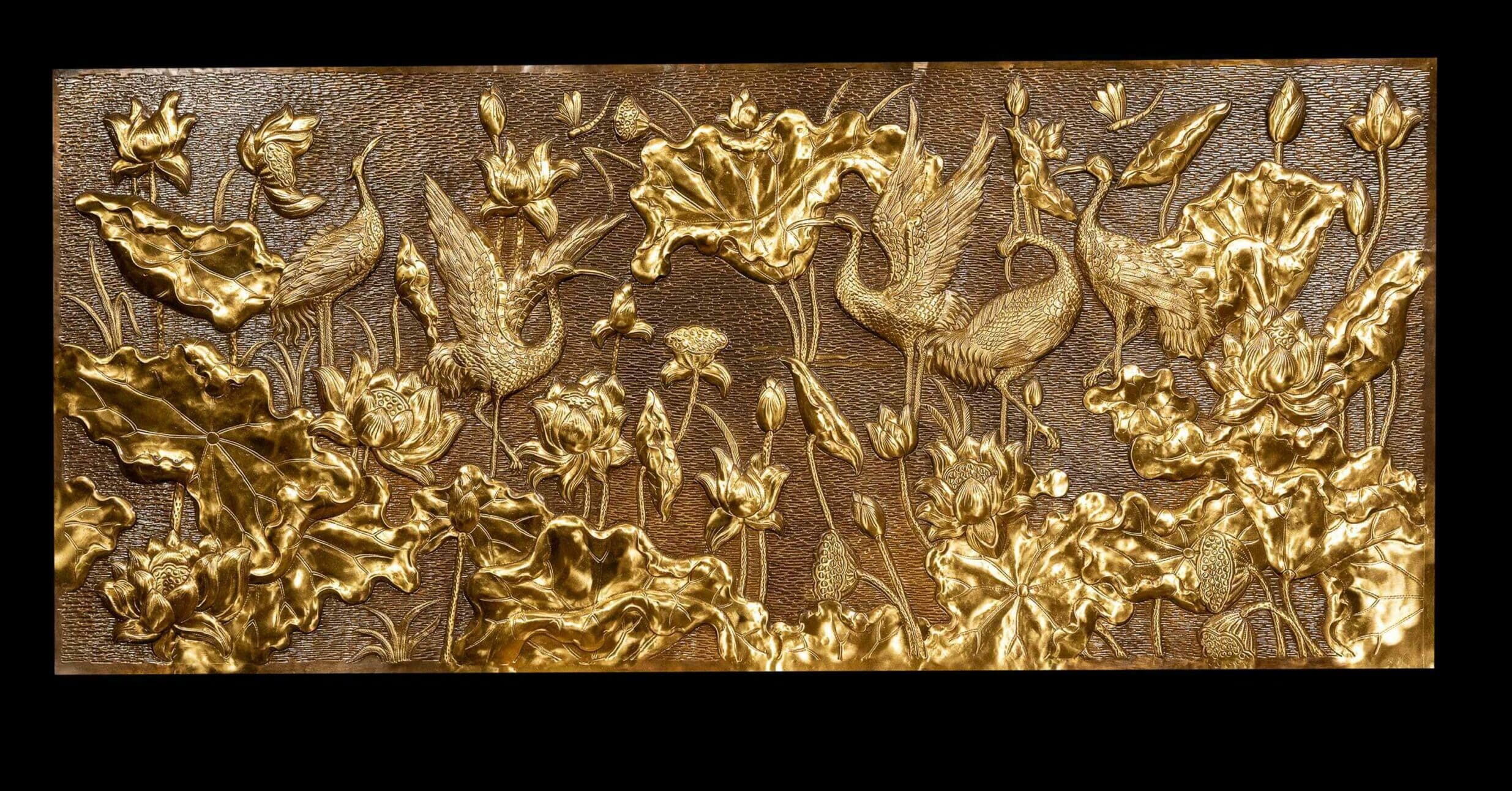
Relief paintings, known as tranh phù điêu in Vietnamese, are a distinctive form of art that blends painting and sculpture to create striking, three-dimensional images on a flat surface. With a rich history and high aesthetic value, relief paintings not only enhance spaces but also carry profound cultural and feng shui significance. From ancient relics to modern masterpieces, relief paintings have become a symbol of creativity and sophistication. In this article, we will explore the history of relief paintings, their cultural and symbolic meanings, the materials used, and the various types of relief art, as showcased in collections at the Vietnam art gallery. Discover why relief paintings are a perfect choice for elevating living spaces!
History of Relief Paintings
Where Did Relief Paintings Originate?
The history of relief paintings dates back to ancient times when humans began carving images into stone, wood, or clay to decorate and convey cultural messages. According to the Vietnam Fine Arts Museum, relief paintings appeared in ancient civilizations such as Egypt, Mesopotamia, and Vietnam, notably on artifacts like the Ngọc Lũ bronze drum.
- Ancient Era: Reliefs on cave walls or tombs depicted scenes of nature, humans, and deities, serving both decorative and narrative purposes.
- Medieval Period: Relief paintings were widely used in churches and temples, such as the stone reliefs at Notre-Dame Cathedral in Paris, blending artistry with religious expression.
- Modern Era: Relief art evolved with new materials like composite and plaster, making it ideal for contemporary interior design.
The Development of Relief Paintings in Vietnam
In Vietnam, relief paintings are deeply rooted in traditional culture, particularly in architectural works from the Lý and Trần dynasties. Reliefs on bronze drums, village communal houses, and temples showcase highly stylized and abstract designs. According to VnExpress, motifs such as dragons, phoenixes, and lotuses on wooden and stone reliefs have become iconic symbols of Vietnamese cultural identity, reflecting the nation’s artistic heritage.
Significance of Relief Paintings
The Cultural and Feng Shui Significance of Relief Paintings
The significance of relief paintings extends beyond their aesthetic appeal, encompassing rich cultural and feng shui meanings. These artworks often convey profound messages, reflecting spiritual beliefs and cultural values:
- Cultural Value: Relief paintings depict themes like nature, humanity, and mythology, such as the four sacred animals (dragon, unicorn, tortoise, phoenix) in Vietnamese culture.
- Feng Shui Value: Designs like the four plants (pine, chrysanthemum, bamboo, plum) symbolize luck, prosperity, and peace for homeowners.
- Interior Decoration: Relief paintings add elegance and warmth, elevating the sophistication of any space.
Why Are Relief Paintings Popular?
Art experts note that relief paintings are beloved for their unique blend of raised forms and flat surfaces, creating a captivating three-dimensional effect. This distinguishes them from traditional flat paintings, offering a dynamic and lifelike visual experience that resonates with viewers.
Materials Used in Relief Paintings
What Materials Are Used in Relief Paintings?
Relief paintings are crafted from a variety of materials, ranging from traditional to modern, each offering distinct characteristics suited to different decorative styles:
- Stone: Provides a rustic, durable aesthetic, ideal for outdoor reliefs or public structures.
- Wood: Common in Vietnamese culture, featuring intricate motifs like landscapes and portraits, perfect for traditional settings.
- Cement: Suitable for large-scale works, such as wall reliefs in restaurants or cafes.
- Plaster: Easy to mold and cost-effective, widely used in modern interior design.
- Composite: Lightweight, durable, and versatile, ideal for 3D relief paintings.
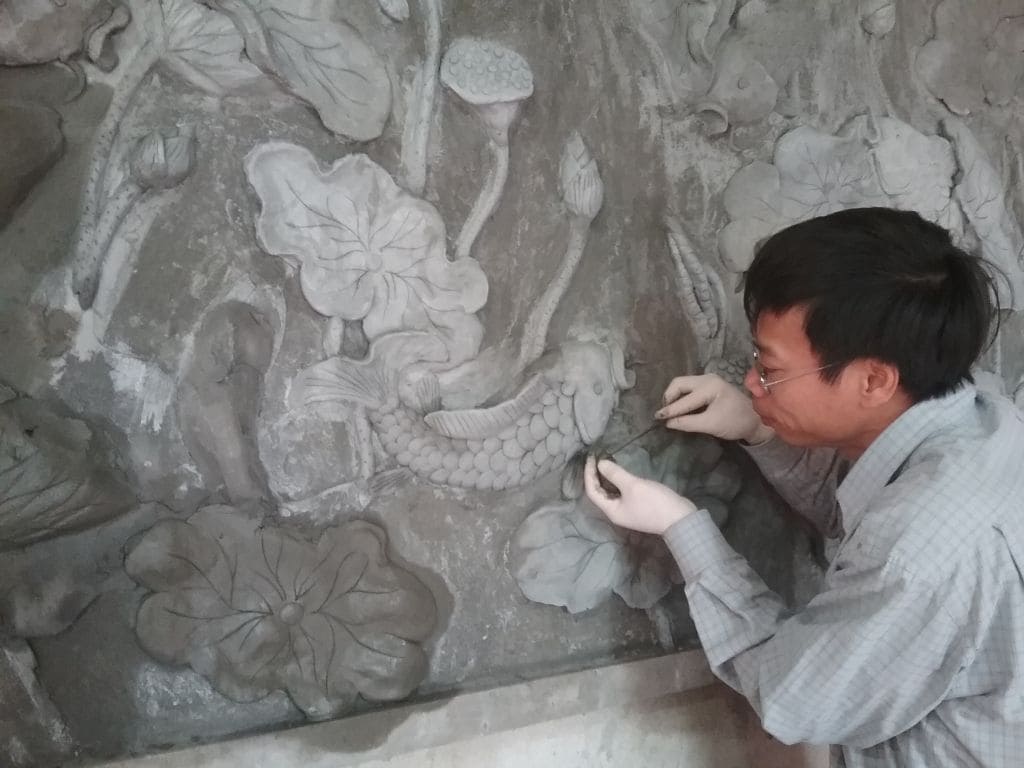
- Clay: Offers a realistic, textured look, requiring high craftsmanship.
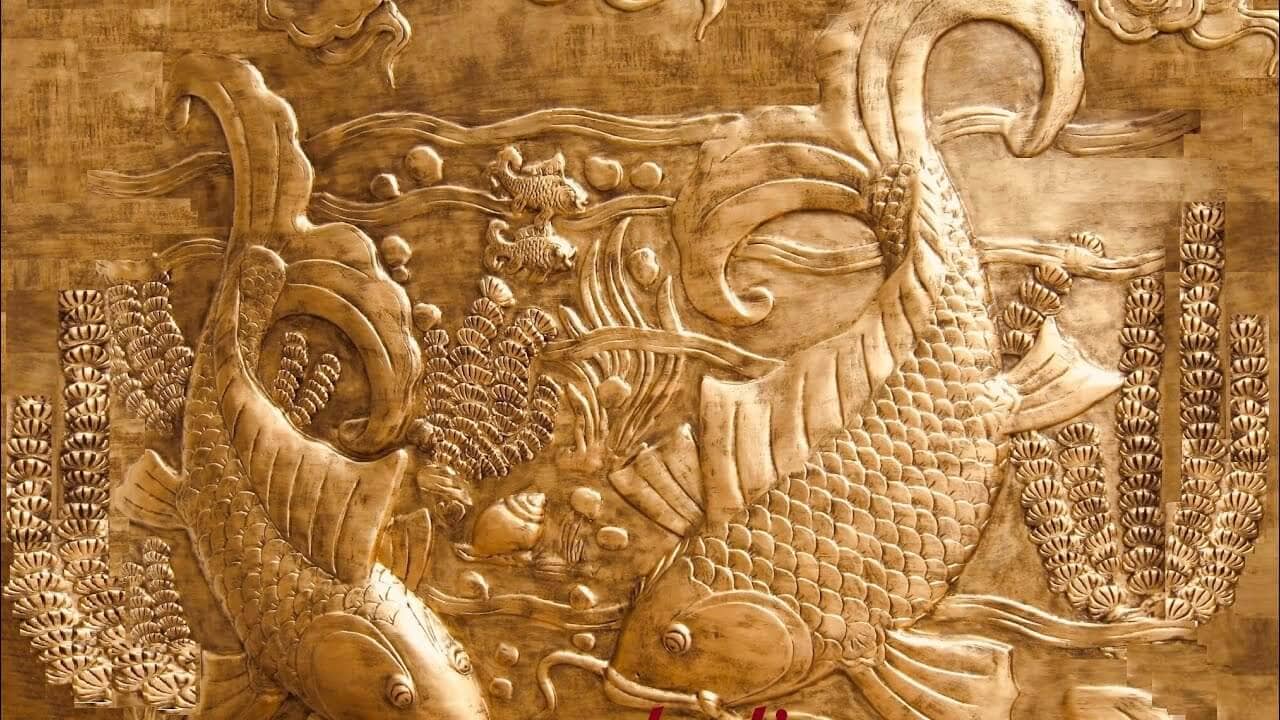
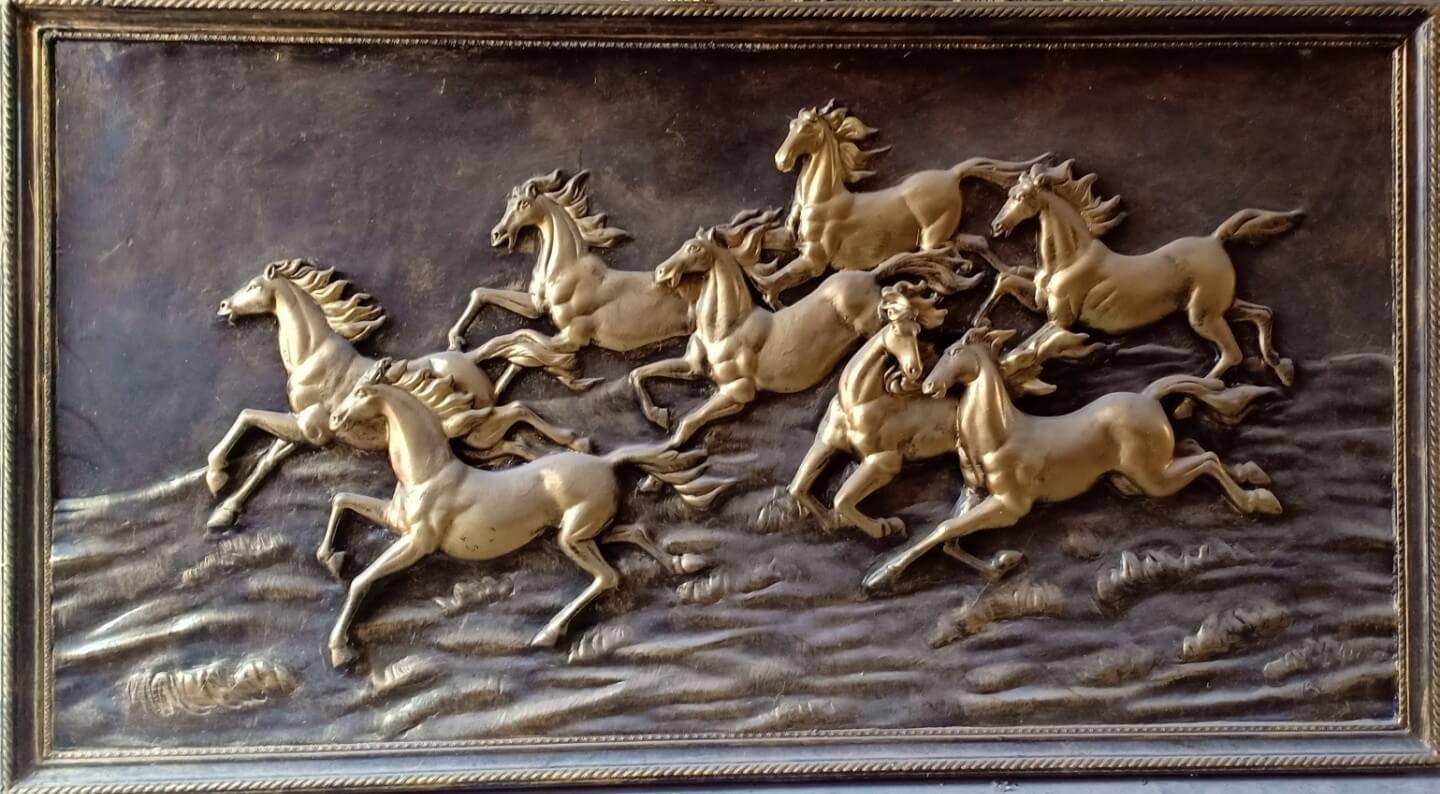
- Glass and Metal: Conveys a modern, luxurious vibe, often used in high-end spaces.
How to Choose the Right Material?
Selecting the appropriate material for a relief painting depends on several factors:
- Space Usage: Opt for stone or cement for outdoor settings and plaster or composite for indoor decor.
- Style: Wood and clay suit traditional aesthetics, while glass and metal complement modern designs.
- Budget: Materials like plaster and composite are more affordable than stone or metal.
- 3D Relief Paintings
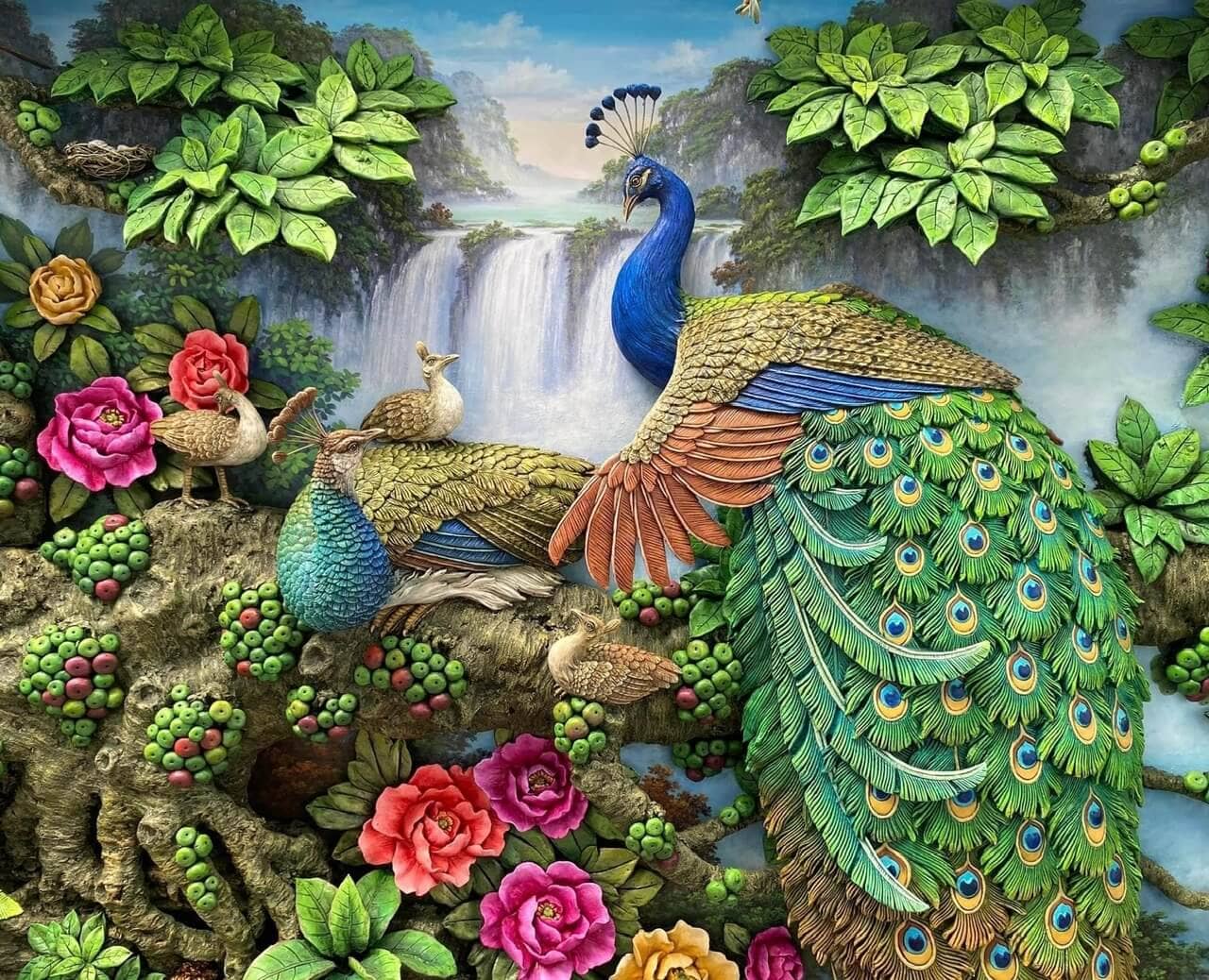
- Characteristics: Made from a blend of white clay, stone powder, and fiberglass, creating vivid three-dimensional effects.
- Applications: Ideal for decorating living rooms, villas, or hotels.
- Example: Reliefs depicting landscapes or surreal patterns.
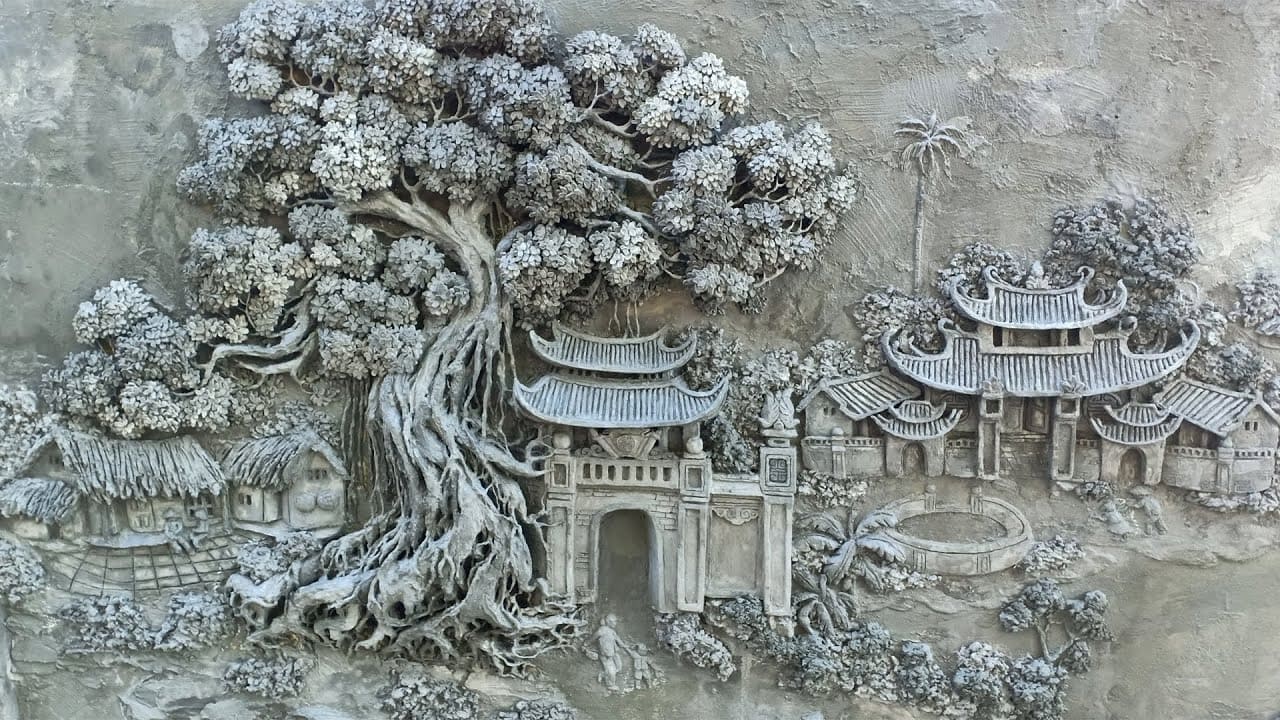
- Cement Relief Paintings
- Characteristics: Large in scale, suitable for expansive spaces like gardens or restaurants.
- Applications: Used to create focal points in outdoor settings.
- Example: Wall reliefs portraying rural village scenes.
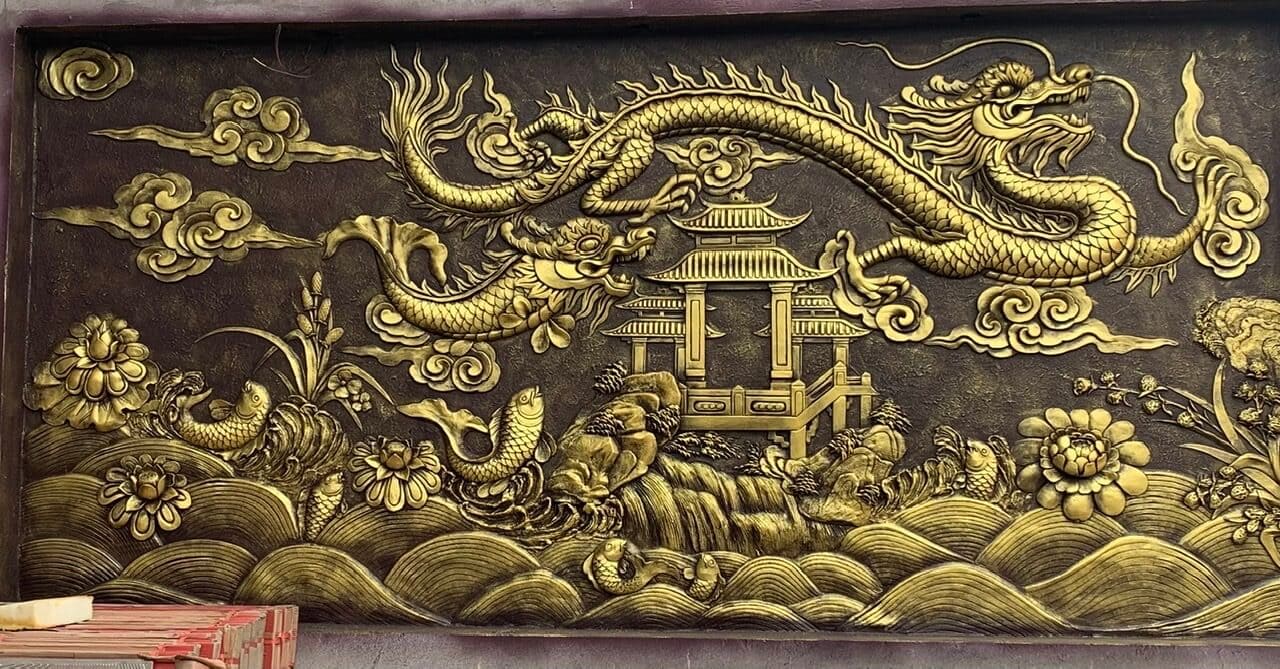
- Wooden Relief Paintings
- Characteristics: Intricate and rooted in Vietnamese tradition, featuring motifs like the four plants or dragon-phoenix designs.
- Applications: Used in communal houses, ancestral halls, or villas.
- Example: Wooden reliefs of pine, chrysanthemum, bamboo, and plum.
- Stone Relief Paintings
- Characteristics: Rustic and durable, often hand-carved with precision.
- Applications: Used for balconies, public structures, or historical sites.
- Example: Stone reliefs depicting ancient hunting scenes.
- Plaster Relief Paintings
- Characteristics: Easy to shape, cost-effective, and suited for modern interiors.
- Applications: Decorating ceilings, columns, or living rooms.
- Example: Plaster reliefs with abstract floral patterns.
- Glass and Metal Relief Paintings
- Characteristics: Luxurious and modern, often gilded or silver-plated.
- Applications: High-end spaces like hotels or offices.
- Example: Glass reliefs depicting the four sacred animals.

Why Are 3D Relief Paintings Popular?
3D relief paintings stand out due to their fusion of surreal artistry and modern technology. With high durability and the ability to create complex forms, they are versatile enough to complement both classical and contemporary architectural styles, making them a favorite in interior design.
Applications of Relief Paintings
How Are Relief Paintings Used?
Relief paintings play a significant role in decoration and architecture, adding elegance and uniqueness to various spaces:
- Interior Decoration: Create focal points in living rooms, bedrooms, or dining areas.
- Public Architecture: Enhance the aesthetic appeal of restaurants, hotels, or historical sites.
- Feng Shui: Promote luck, prosperity, and harmony within a space.
- Art Exhibitions: Standalone relief artworks are displayed in galleries in Vietnam and internationally.
How to Choose the Right Relief Painting?
Selecting the perfect relief painting involves considering several factors:
- Space: Choose the size and material based on the space (small, large, indoor, or outdoor).
- Design Style: Wooden or stone reliefs suit traditional aesthetics, while glass and metal fit modern designs.
- Intended Meaning: Opt for themes like the four sacred animals or landscapes to align with feng shui or aesthetic goals.
Influence of Relief Paintings in Vietnam
What Is the Significance of Relief Paintings in Vietnamese Culture?
Relief paintings are an integral part of Vietnam’s cultural and artistic heritage, from historical relics to modern living spaces:
- Cultural Heritage: Reliefs on the Ngọc Lũ bronze drum, communal houses, and temples reflect Vietnam’s national identity.
- Modern Art: Artists like Nguyễn Tường Lân and Lê Thiết Cương have integrated relief techniques into contemporary painting, blending tradition with innovation.
- Interior Design: Relief paintings are widely used in villas, restaurants, and hotels in Hanoi and Ho Chi Minh City to enhance elegance.
How to Identify Vietnamese Relief Paintings?
To recognize relief paintings in Vietnam, look for these characteristics:
- Folk Motifs: Designs featuring dragons, phoenixes, lotuses, or rural scenes embody Vietnamese cultural identity.
- Traditional Techniques: Use of wood, stone, or clay with intricate carving techniques.
- Stylized Aesthetics: Vietnamese reliefs often exhibit abstract and symbolic elements.
How to Appreciate Relief Paintings?
Approaching Relief Paintings as a Beginner
For those new to relief paintings, here are practical ways to start exploring:
- Visit Exhibitions: Explore original relief artworks at the Vietnam Fine Arts Museum or galleries in Hanoi and Ho Chi Minh City.
- Read Art Books: Books like Vietnamese Art by Nora Taylor offer deep insights into relief paintings.
- Watch Documentaries: Seek out films about Vietnamese art or relief techniques on YouTube.
- Try Creating Reliefs: Experiment with clay or plaster to experience the art of relief sculpting.
Tips for a Deeper Understanding
To gain a richer appreciation of relief paintings, consider these strategies:
- Study Historical Context: Research the Lý-Trần era and artifacts like the Ngọc Lũ bronze drum to understand their cultural roots.
- Compare with Other Art Forms: Contrast relief paintings with oil or lacquer paintings to highlight their unique qualities.
- Take Art Courses: Enroll in art or sculpture workshops in Vietnam to deepen your knowledge.
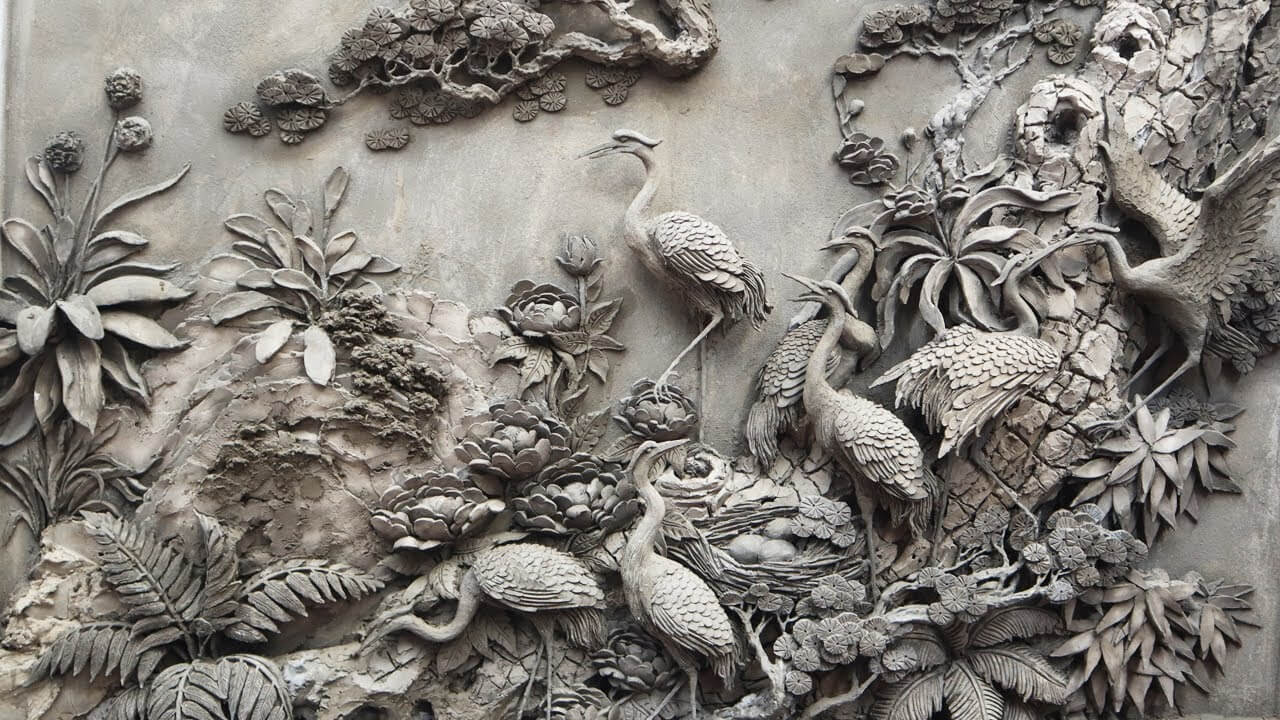
Relief paintings are a unique art form, blending the elegance of painting with the depth of sculpture. From their ancient origins on the Ngọc Lũ bronze drum to modern creations in plaster and metal, relief paintings have left an indelible mark on culture and decoration. With their cultural, feng shui, and aesthetic significance, they are a perfect choice for enhancing living spaces. Explore relief paintings at galleries, museums, or try creating your own to experience their creative spirit. Share this article to spread the beauty of relief paintings!
Next Steps:
- View reliefs on the Ngọc Lũ bronze drum at the National Museum of Vietnamese History.
- Learn more about relief painting materials through books or online resources.
- Share this article to inspire friends to explore the art of relief paintings!

