

Introduction to Oil Painting
Oil painting is a captivating art form that shines in collections like those at the Vietnam art gallery, allowing you to express emotions and creativity through vibrant brushstrokes. Whether you’re a beginner or looking to refine your skills, preparing the right oil painting tools and mastering essential techniques are the first steps to creating stunning artworks. In this article, we’ll explore what you need to paint with oils, from oil paints and brushes to practical tips for effective practice. Let’s embark on your artistic journey with oil painting today!
Essential Oil Painting Tools
What Are the Basic Oil Painting Tools?
To answer the question, “What do you need to paint with oils?”, you must first gather the essential oil painting tools. According to experts from MoMA, a basic toolkit makes it easier to dive into this art form. Here’s a detailed list:
-
- Oil Paints:
- Role: The heart of oil painting, providing vibrant colors and emotional depth.
- Common Types: Start with basic colors like titanium white, ultramarine blue, cadmium yellow, cadmium red, and ivory black.
- Trusted Brands: Winsor & Newton, Daler Rowney, or Maries are excellent choices for beginners.
- Oil Paints:
- Oil Painting Brushes:
- Types: Round brushes (for fine details), flat brushes (for broad strokes), and fan brushes (for soft blending).
- Sizes: Invest in a set ranging from small (0–2) to large (8–12) for versatility.
- Materials: Natural bristles (hog or sable) or synthetic bristles are both suitable.
- Canvas:
- Types: Cotton or linen canvases, available pre-stretched or as DIY frames.
- Preparation: Apply a gesso primer to ensure better paint adhesion and a smoother surface.
- Solvents and Mediums:
- Solvents: Used to thin paints, such as odorless mineral spirits or turpentine.
- Mediums: Linseed oil creates smooth, slow-drying paints for easier blending.
- Palette Knife:
- Purpose: Mixes paints or creates textured effects, like rugged surfaces.
- Type: Choose a stainless steel knife with a medium-sized blade.
- Palette:
- Purpose: Facilitates easy color mixing and tone control.
- Materials: Wood, plastic, or glass palettes are all suitable.
- Easel and Cleaning Cloths:
- Easel: Stabilizes the canvas and ensures a comfortable painting posture.
- Cloths: Keep brushes and workspace clean during painting sessions.
Where to Buy Oil Painting Tools?
You can find oil painting tools at art supply stores in Hanoi (Hàng Bông Street), Ho Chi Minh City (District 1), or online platforms like Shopee and Lazada. According to VnExpress, beginners should opt for affordable starter kits to save costs and simplify the learning process.
Oil Painting Techniques for Beginners
What Are the Basic Oil Painting Techniques?
Beyond gathering oil painting tools, mastering key techniques is essential to answer the question, “What do you need to paint with oils?” Here are fundamental techniques for beginners:
- Layering Technique:
- Method: Paint light colors first, followed by darker ones, allowing each layer to dry completely.
- Benefits: Creates depth and prevents color bleeding.
- Example: Paint a sky background before adding clouds or trees.
- Wet-on-Wet Technique:
- Method: Apply new paint onto wet layers for smooth blending.
- Benefits: Ideal for soft, fluid effects in landscape paintings.
- Example: Blend blue and yellow to create natural green hues.
- Glazing Technique:
- Method: Use transparent paint layers (mixed with linseed oil) to enhance depth and luminosity.
- Benefits: Creates glowing effects, like sunlight reflecting on water.
- Example: Apply a thin red glaze for a sunset glow.
- Dry Brush Technique:
- Method: Use a brush with minimal paint, lightly dragging it across the canvas for a textured effect.
- Benefits: Perfect for details like hair, leaves, or rocks.
- Example: Create the look of dry grass in a field.
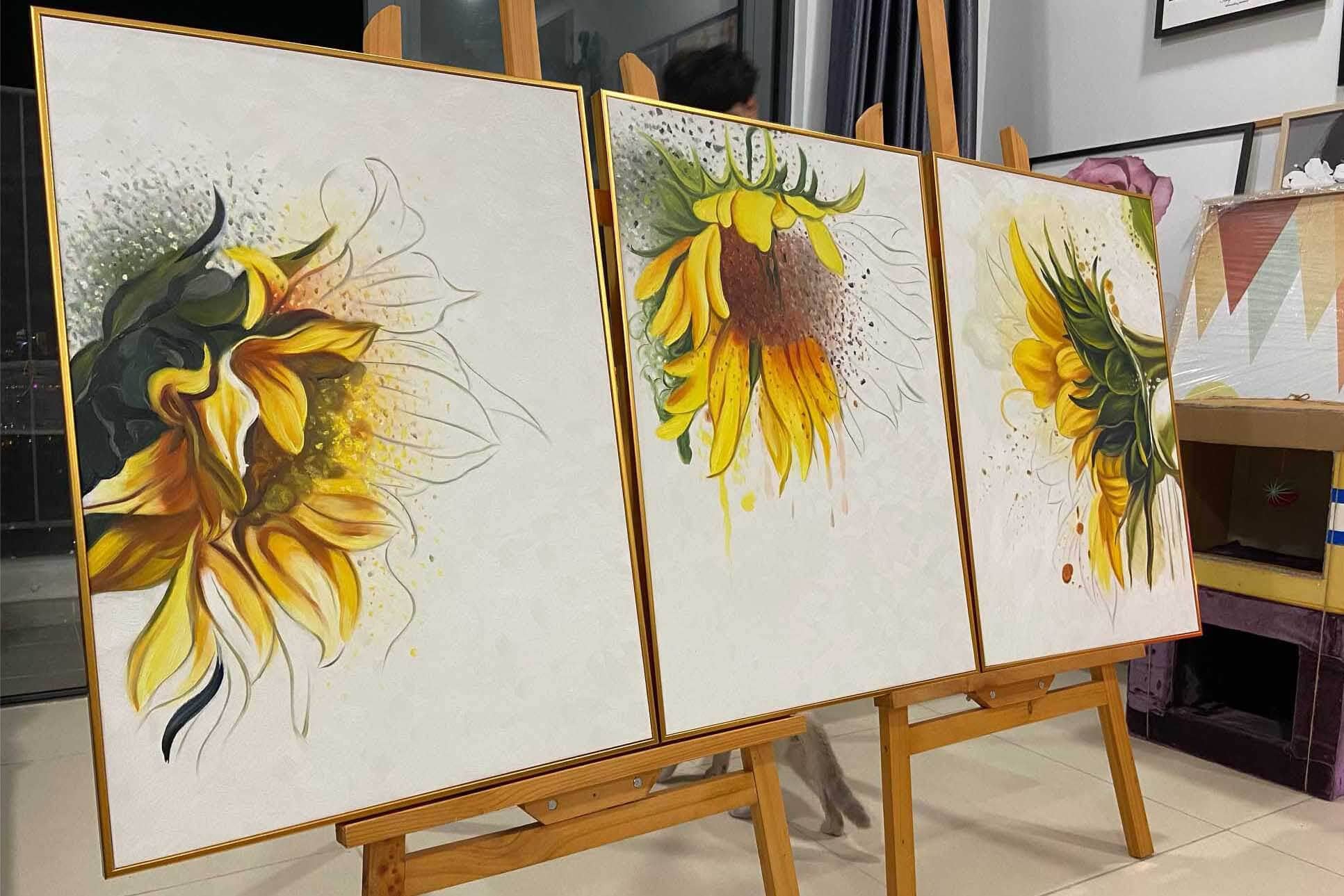
How to Learn Oil Painting Effectively?
- Start with Simple Subjects: Practice with landscapes or still life to build confidence.
- Watch Online Tutorials: YouTube channels like “Proko” or “Paint with Len” offer free oil painting lessons.
- Join Classes: Art centers in Hanoi and Ho Chi Minh City provide beginner-friendly courses.
Tips for Maintaining and Using Oil Painting Tools
How to Preserve Oil Paints?
To keep oil paints vibrant and usable, follow these tips:
- Seal Tightly: Close paint tubes to prevent drying.
- Avoid Sunlight: Store in a cool, shaded place to maintain quality.
- Store Excess Paint: Use airtight containers or plastic wrap to keep leftover paint fresh.
How to Clean Oil Painting Brushes?
- Use Solvents: Dip brushes in turpentine or odorless mineral spirits to remove paint.
- Wash with Soap: Use specialized brush soap for thorough cleaning.
- Dry Naturally: Avoid soaking brushes too long or using heat to dry them.
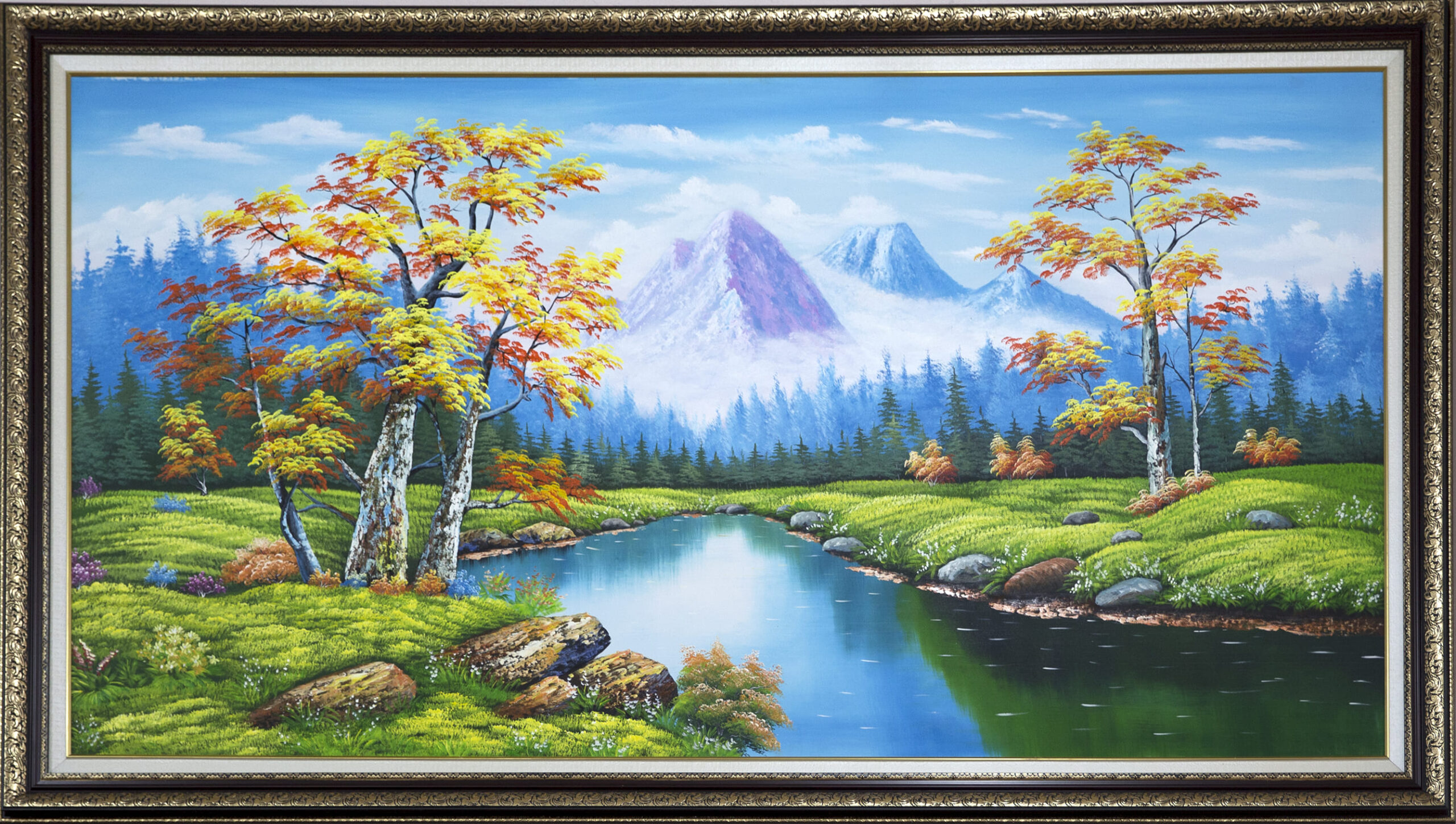
Common Mistakes to Avoid in Oil Painting?
- Applying Thick Layers Over Thin: This can cause cracking as the paint dries.
- Over-Thinning Paint: Leads to uneven colors and loss of control.
- Lack of Patience: Painting over wet layers can muddy the colors.
Benefits of Learning Oil Painting
Why Should You Learn Oil Painting?
Learning oil painting offers more than just creative expression; it provides numerous benefits:
- Relaxation: Painting reduces stress and enhances focus.
- Personal Expression: Each artwork tells a unique story, reflecting your emotions.
- Artistic Growth: Oil painting techniques sharpen observation and creativity.
- Space Enhancement: Your paintings become meaningful gifts or unique decor pieces.
How to Start Learning Oil Painting?
- Find Inspiration: Study works by masters like Van Gogh or Monet to learn color techniques.
- Practice Regularly: Dedicate 1–2 hours weekly to simple paintings.
- Join Communities: Connect with art groups on Facebook or at galleries for shared learning.
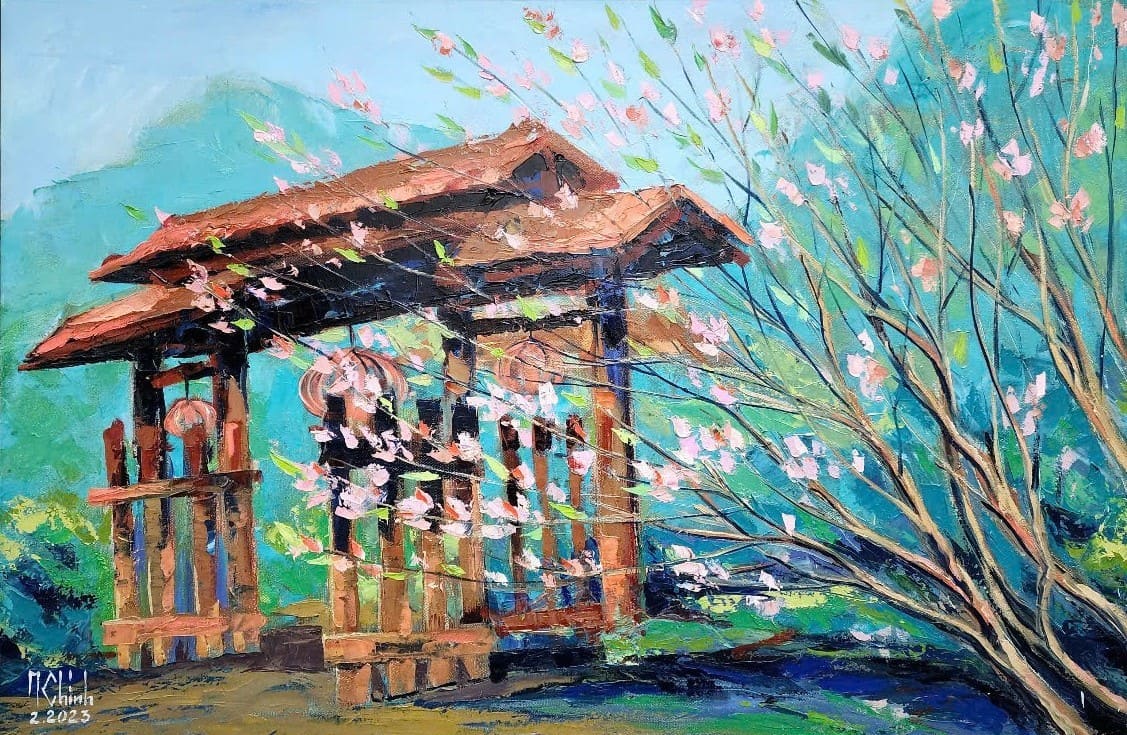
Influence of Oil Painting in Vietnam
What Role Does Oil Painting Play in Vietnamese Art?
Oil painting has become a vital part of Vietnamese art, especially since the École des Beaux-Arts de l’Indochine. According to VnExpress, artists like Tô Ngọc Vân and Nguyễn Gia Trí elevated oil painting by blending Western techniques with Vietnamese identity:
- Tô Ngọc Vân: Known for works like Girl with Lily, capturing the grace of Vietnamese women.
- Nguyễn Gia Trí: Combined oil painting with lacquer techniques for unique artworks.
- Modern Exhibitions: Galleries in Hanoi and Ho Chi Minh City showcase oil paintings by contemporary artists.
How to Identify Vietnamese Oil Paintings?
- Familiar Themes: Rural landscapes, portraits, or still life reflecting Vietnamese culture.
- Distinctive Colors: Warm tones like red, yellow, and green evoke Vietnam’s essence.
- Stylized Approach: Blends realism with abstraction for a unique aesthetic.
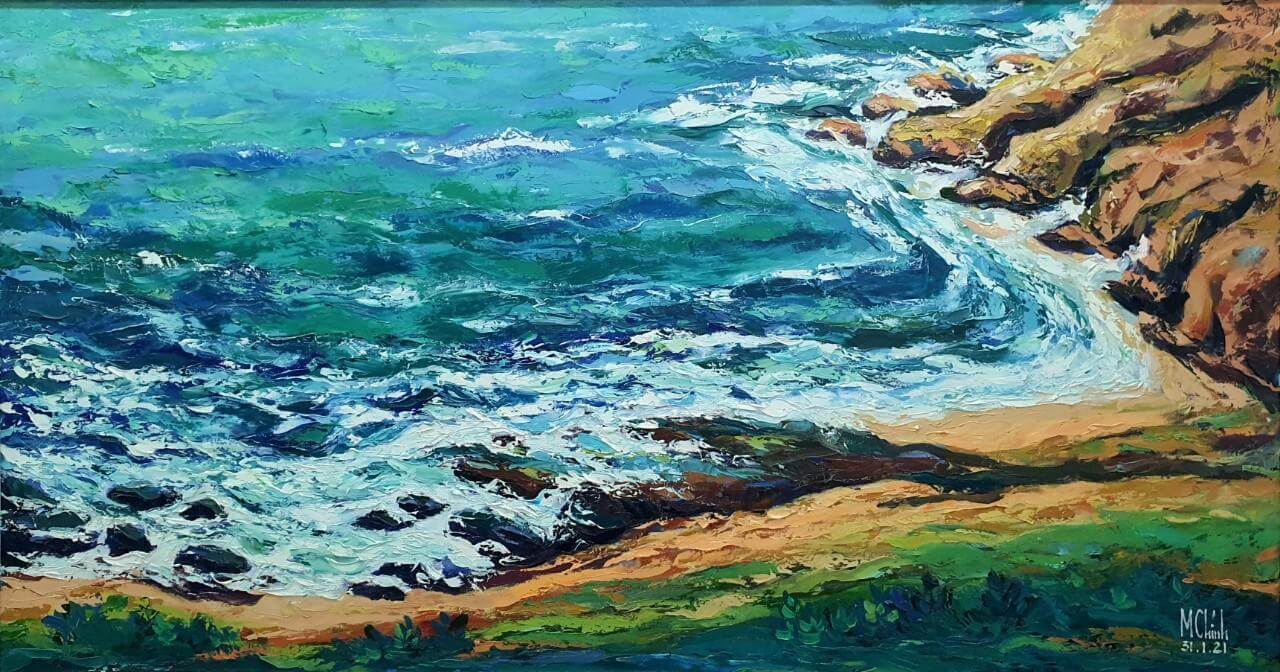
Finding Inspiration and Learning Oil Painting
How to Find Inspiration for Oil Painting?
- Visit Museums: Explore original oil paintings at the Vietnam Fine Arts Museum or galleries in Hanoi and Ho Chi Minh City.
- Read Art Books: Books like Oil Painting Techniques by Harold Speed offer detailed guidance.
- Watch Documentaries: Find films about Van Gogh or other oil painters on Netflix or YouTube.
Where to Learn Oil Painting in Vietnam?
- Art Centers: Places like the Youth Cultural House (Ho Chi Minh City) or Hanoi Art Center offer beginner courses.
- Online Courses: Platforms like Udemy or Coursera provide accessible oil painting lessons.
- Art Communities: Join groups like “Vietnam Art Community” on Facebook to share experiences.
What do you need to paint with oils? It’s a combination of essential tools like oil paints, brushes, and canvas, paired with techniques like layering and wet-on-wet. With careful preparation and consistent practice, you’ll soon create impressive artworks. Start with simple paintings, draw inspiration from renowned artists, and embrace the joy of learning oil painting. Share this article to ignite a passion for art and encourage friends to try their hand at oil painting!
Next Steps:
- Purchase a basic oil painting toolkit from art supply stores.
- Watch oil painting technique tutorials on YouTube for hands-on practice.
- Share this article to inspire friends to explore the world of oil painting!

