
Introduction to Abstract Art
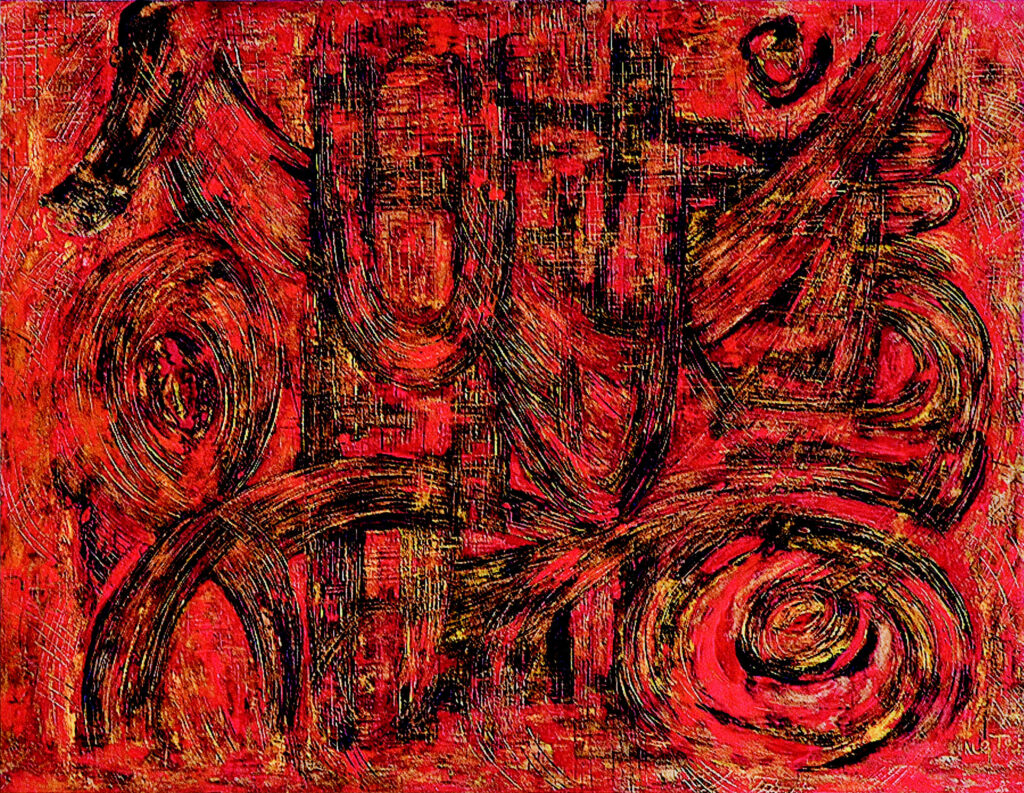
Abstract art is a revolutionary modern art form where artists harness colors, shapes, and lines to express emotions and ideas, moving away from realistic representations of the world. Emerging in the late 19th century and flourishing in the 20th century, abstract art shattered the boundaries of traditional art, offering unprecedented creative freedom and fresh perspectives. This style has captivated art lovers worldwide, influencing collections in places like the Vietnam art gallery and beyond. In this article, we’ll explore the history of abstract art, its defining characteristics, prominent abstract artists, and iconic abstract artworks. Join us to discover why abstract art continues to inspire and shape modern art!
History of Abstract Art
Where Did Abstract Art Originate?
The history of abstract art began in the late 19th century as artists rebelled against the constraints of traditional realism and portraiture. According to the Museum of Modern Art (MoMA), abstract art emerged as a cornerstone of the modern art movement, catalyzed by groundbreaking exhibitions like The Armory Show in 1913 in New York. This pivotal event introduced abstract works to a broader audience, sparking a global movement. From Europe to America, abstract art redefined artistic expression, becoming a defining feature of 20th-century art and continuing to evolve into the present day.
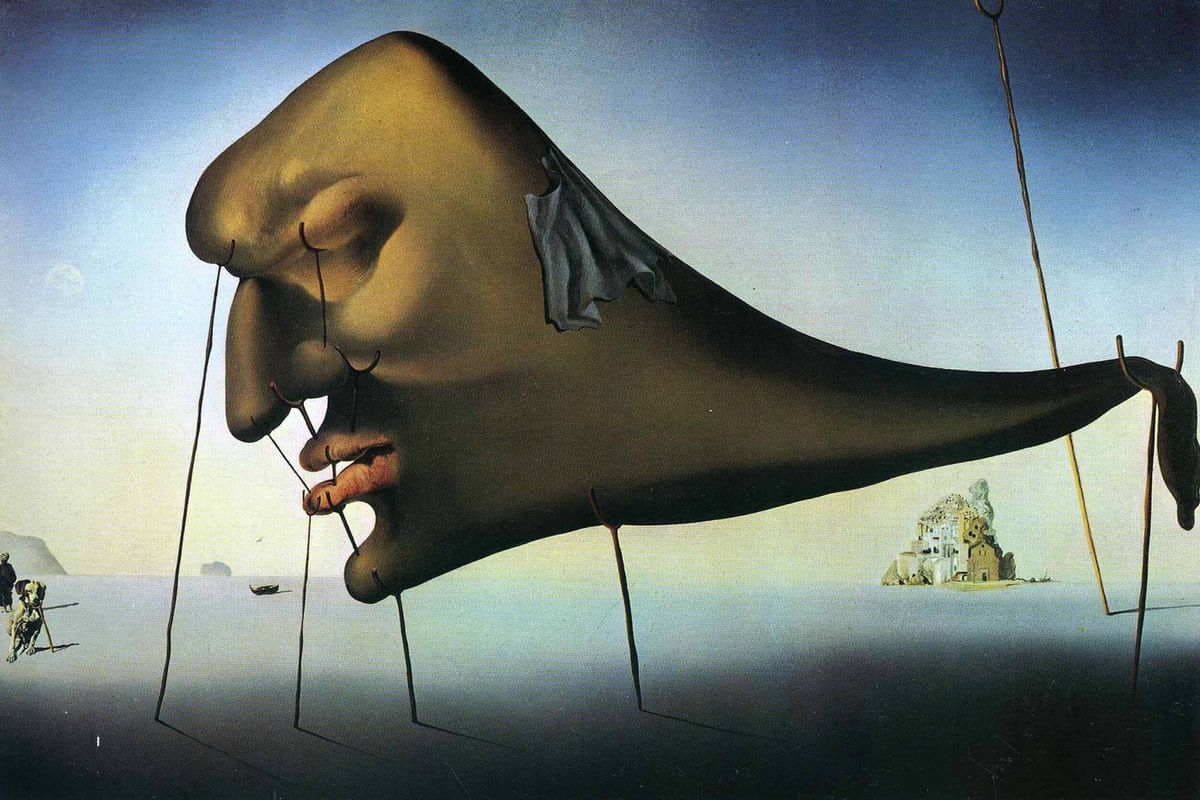
- Late 19th Century: Artists like James McNeill Whistler began experimenting with abstract forms and colors, laying the groundwork for the movement.
- Early 20th Century: Abstract art took shape with movements like geometric abstraction, led by Piet Mondrian, and expressionist abstraction, pioneered by Wassily Kandinsky.
- 21st Century: Abstract art continues to thrive, embracing new forms such as digital art and contemporary abstraction, pushing creative boundaries further.
Who Pioneered Abstract Art?
Several visionary artists and events shaped the rise of abstract art:
- Wassily Kandinsky: Often hailed as the father of abstract art, Kandinsky used colors and shapes to convey spiritual and emotional depth, breaking free from representational art.
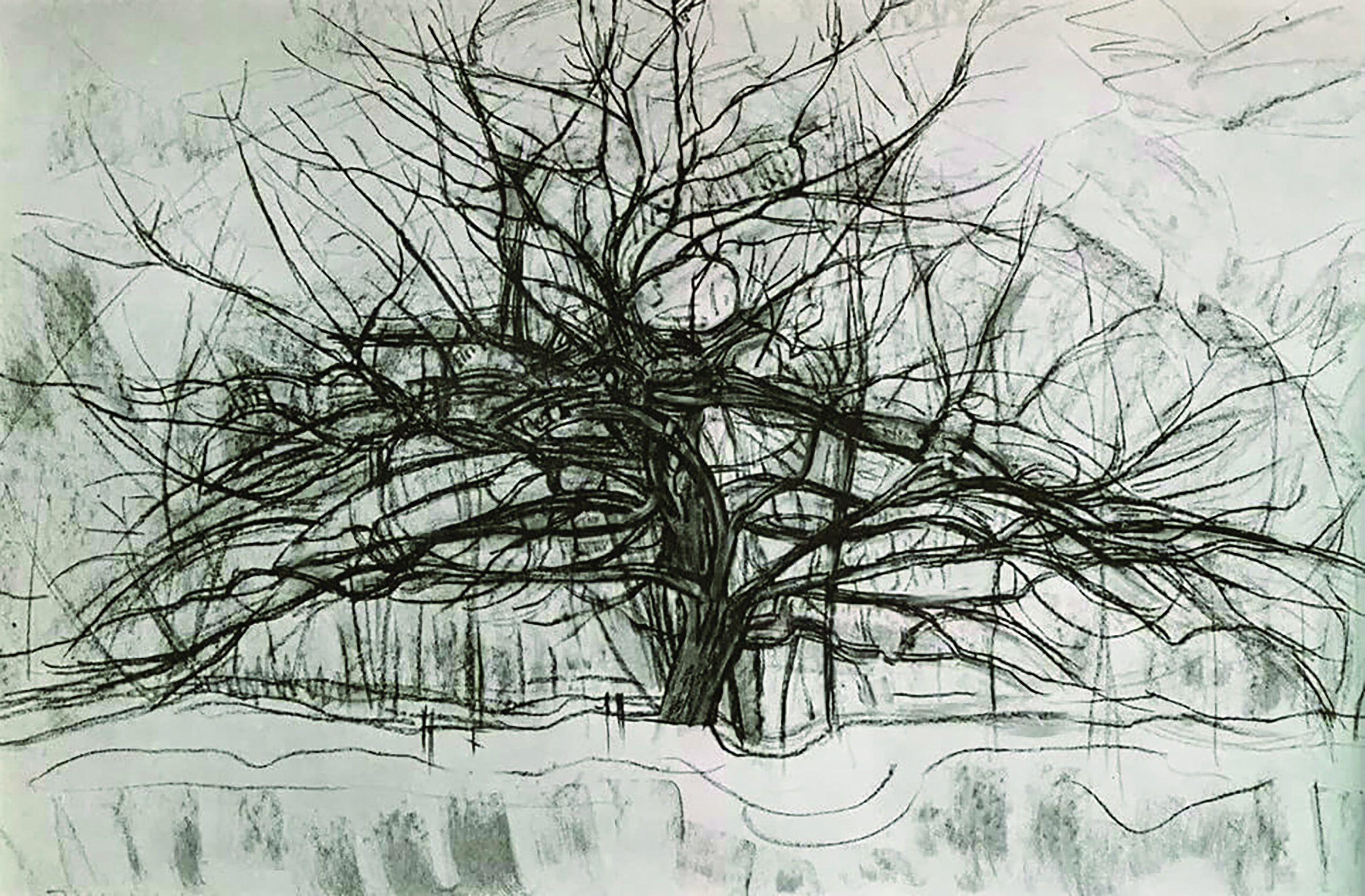
- Piet Mondrian: A pioneer of geometric abstraction, Mondrian created works with straight lines and primary colors to achieve visual harmony.
- Kazimir Malevich: The founder of Suprematism, Malevich focused on pure forms like squares to explore the essence of art.
- The Armory Show: This 1913 exhibition introduced works by Picasso, Braque, and other European artists to America, marking a turning point for abstract art’s global influence.
Characteristics of Abstract Art
What Defines Abstract Art?
Abstract art is characterized by its use of visual elements to convey emotions and ideas rather than depicting reality. According to Tate Modern, the key features of abstract art include:
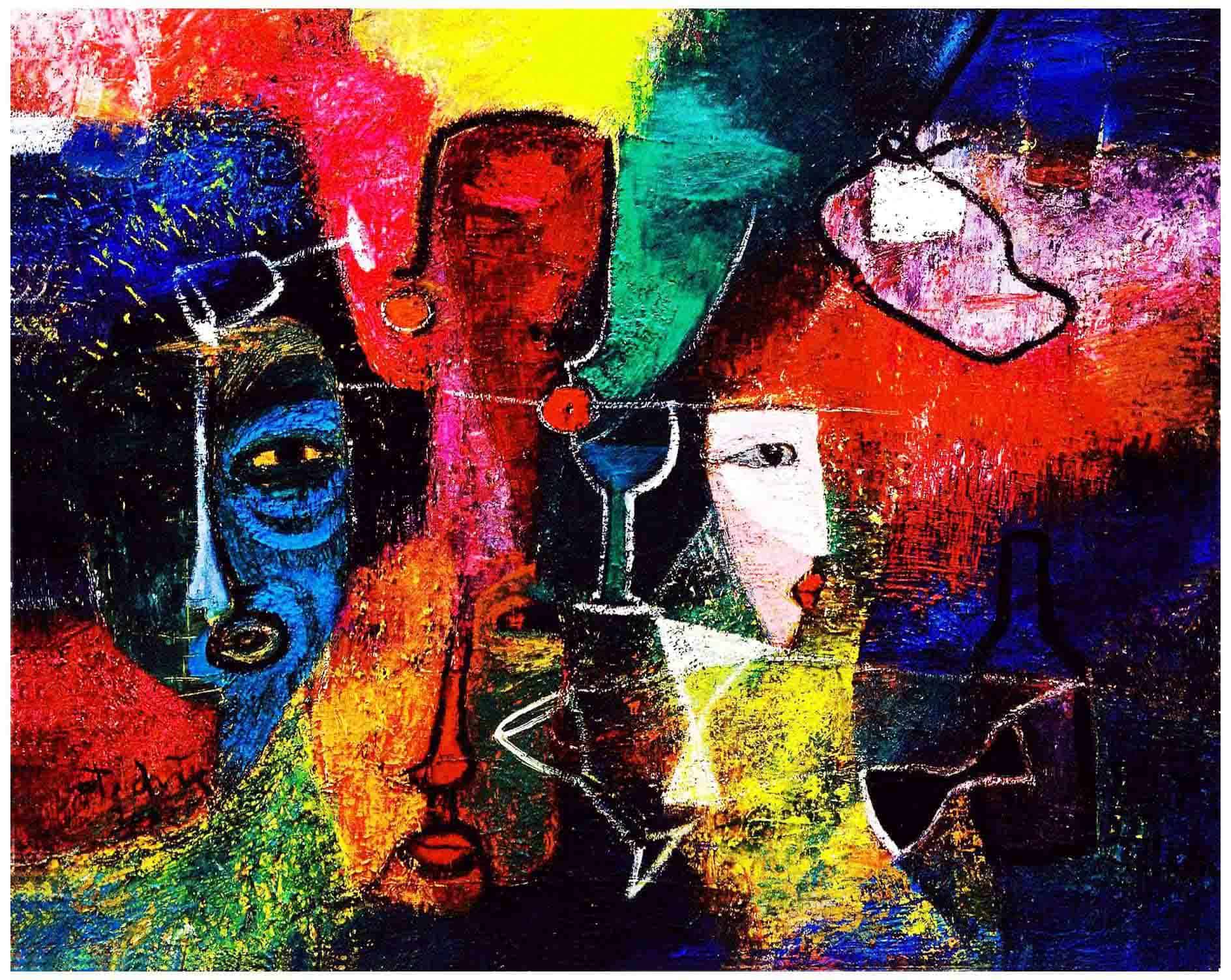
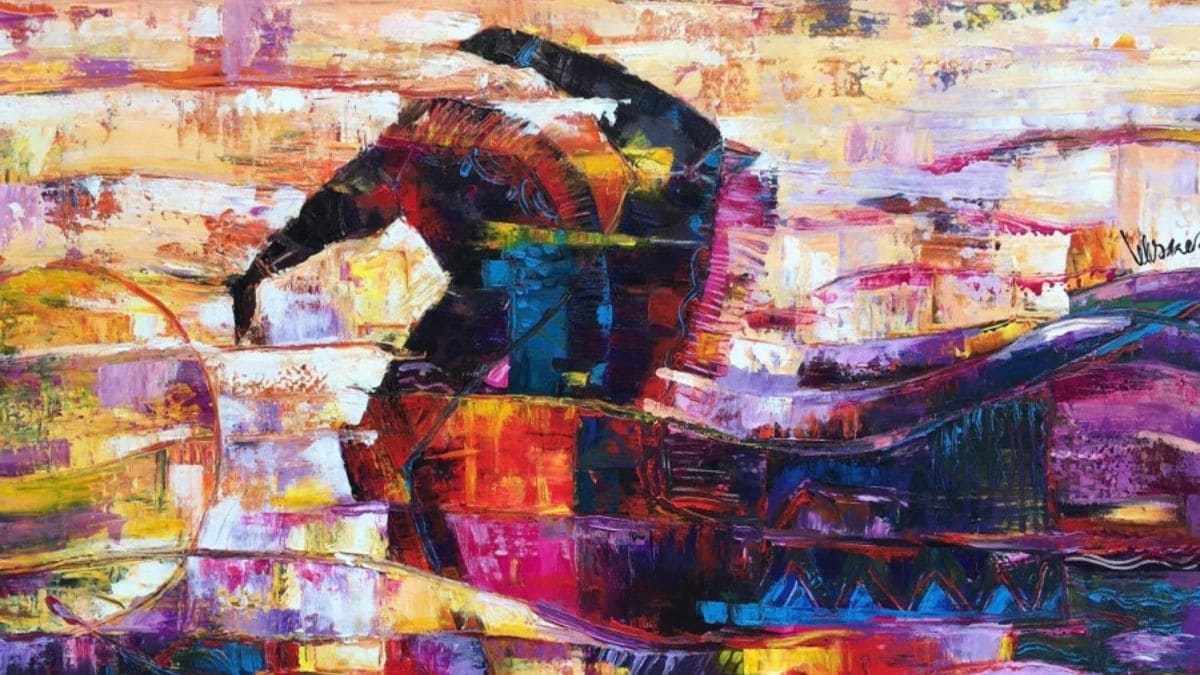
- Non-Representational: Abstract paintings do not mimic real-world objects, instead using shapes, lines, and colors to evoke meaning.
- Creative Freedom: Artists break free from traditional rules, creating forms that may not exist in reality, allowing for boundless imagination.
- Colors and Geometry: Vibrant colors, straight lines, squares, or organic shapes create psychological and emotional effects.
- Emotional Expression: Paintings often evoke a range of emotions, from joy to melancholy, as seen in works like Kandinsky’s Composition VII.
- Multiple Interpretations: Each viewer may interpret an abstract painting differently, shaped by their personal experiences and perspectives.
Why Is Abstract Art Unique?
Abstract art’s uniqueness lies in its ability to liberate both the artist and the viewer from the constraints of reality. According to VnExpress, abstract art challenges viewers to reflect on deeper meanings, offering a personal and multidimensional experience. This freedom allows for endless interpretations, making each encounter with an abstract artwork a deeply individual journey that resonates on an emotional and intellectual level.
Prominent Abstract Artists
Who Are the Leading Abstract Artists?
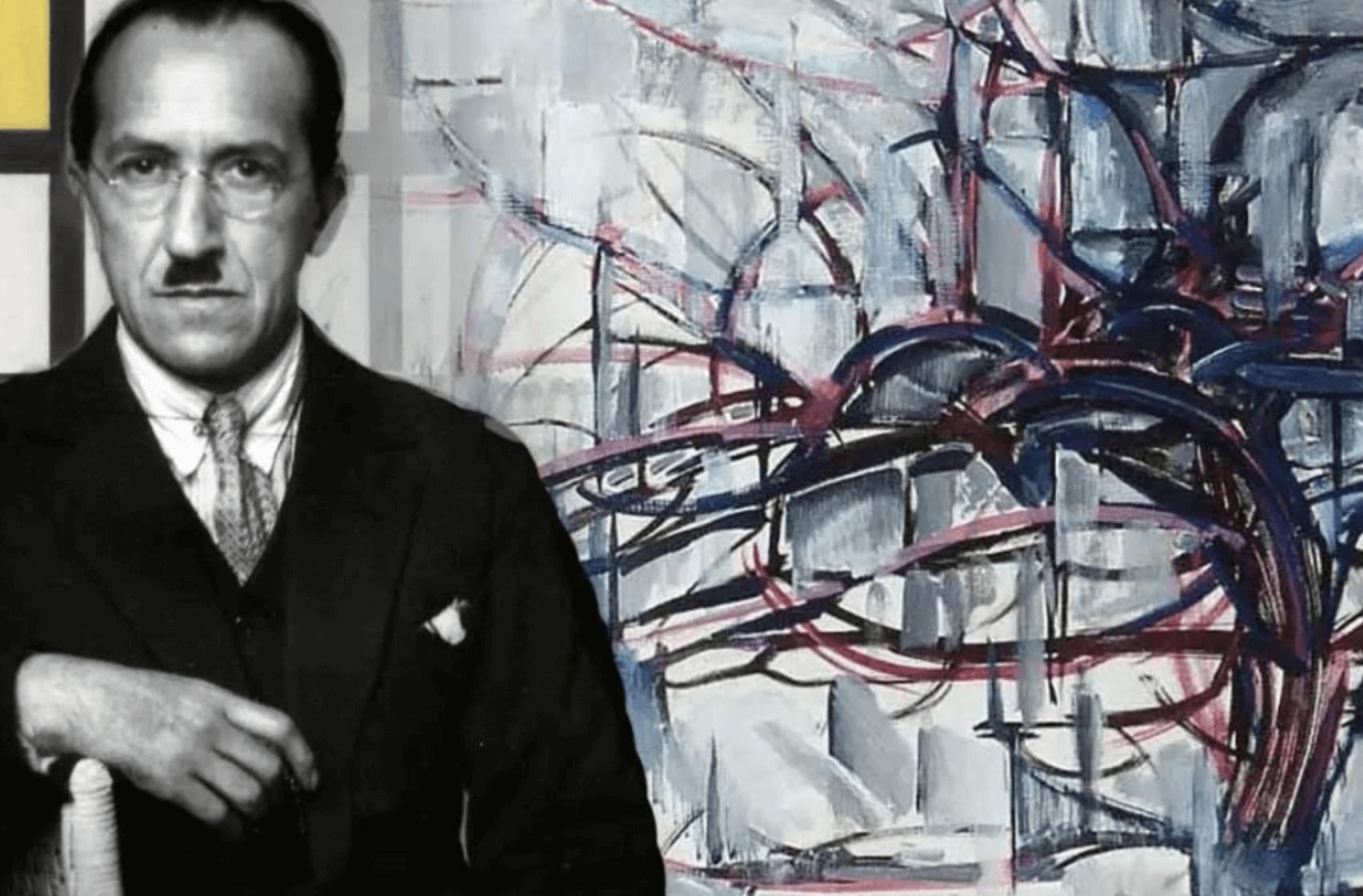
Abstract artists have shaped this movement with revolutionary works that continue to inspire. Here are some of the most influential figures:
- Wassily Kandinsky (1866–1944, Russia)
- Works: Composition VII (1913), Yellow-Red-Blue (1925).
- Style: Blended abstract art with spirituality, using colors and shapes to express profound emotions.
- Piet Mondrian (1872–1944, Netherlands)
- Works: Composition II in Red, Blue, and Yellow (1930), Broadway Boogie Woogie (1942–43).
- Style: Pioneered geometric abstraction, using straight lines and primary colors to create harmonious compositions.
- Kazimir Malevich (1878–1935, Russia)
- Works: Black Square (1915), White on White (1918).
- Style: Founded Suprematism, focusing on pure geometric forms to explore the essence of art.
- Joan Miró (1893–1983, Spain)
- Works: The Harlequin’s Carnival (1925), Blue II (1961).
- Style: Combined abstraction with surrealism, using playful shapes and vibrant colors.
- Mark Rothko (1903–1970, USA)
- Works: No. 61 (Rust and Blue) (1953), Orange and Yellow (1956).
- Style: Used large-scale color fields to evoke profound emotional responses.
Why Are These Artists Important?
Abstract artists ushered in a new era of artistic expression, breaking free from the constraints of realism and opening up endless possibilities for creativity. According to MoMA, their influence extended beyond painting to impact sculpture, architecture, and design. By challenging traditional notions of art, they inspired generations of artists to explore new forms of expression, leaving a lasting legacy in the art world.
Notable Abstract Artworks
Which Abstract Artworks Stand Out?
Abstract artworks are often iconic for their ability to evoke powerful emotions through colors and shapes. Here are some standout pieces:
- Composition VII (Wassily Kandinsky, 1913): A masterpiece of abstraction, blending complex colors and shapes to express spiritual themes.
- Black Square (Kazimir Malevich, 1915): An iconic work of Suprematism, its simplicity carries profound philosophical meaning.
- Composition II in Red, Blue, and Yellow (Piet Mondrian, 1930): A harmonious balance of lines and primary colors, embodying geometric abstraction.
- The Harlequin’s Carnival (Joan Miró, 1925): A playful blend of abstract forms and surreal imagery, creating a vibrant, dreamlike scene.
- No. 61 (Rust and Blue) (Mark Rothko, 1953): Uses large-scale color fields to evoke deep emotional contemplation.
How to Appreciate Abstract Artworks?
To fully engage with abstract art, consider these approaches:
- Feel the Emotions: Instead of searching for realistic imagery, let the painting evoke your emotions and thoughts.
- Explore Different Perspectives: Abstract artworks can be interpreted in multiple ways, depending on the viewer’s perspective.
- Learn the Context: Research the artist’s life and the art movement behind the work to gain deeper insight into its meaning.
Influence of Abstract Art in Vietnam
Did Abstract Art Influence Vietnam?
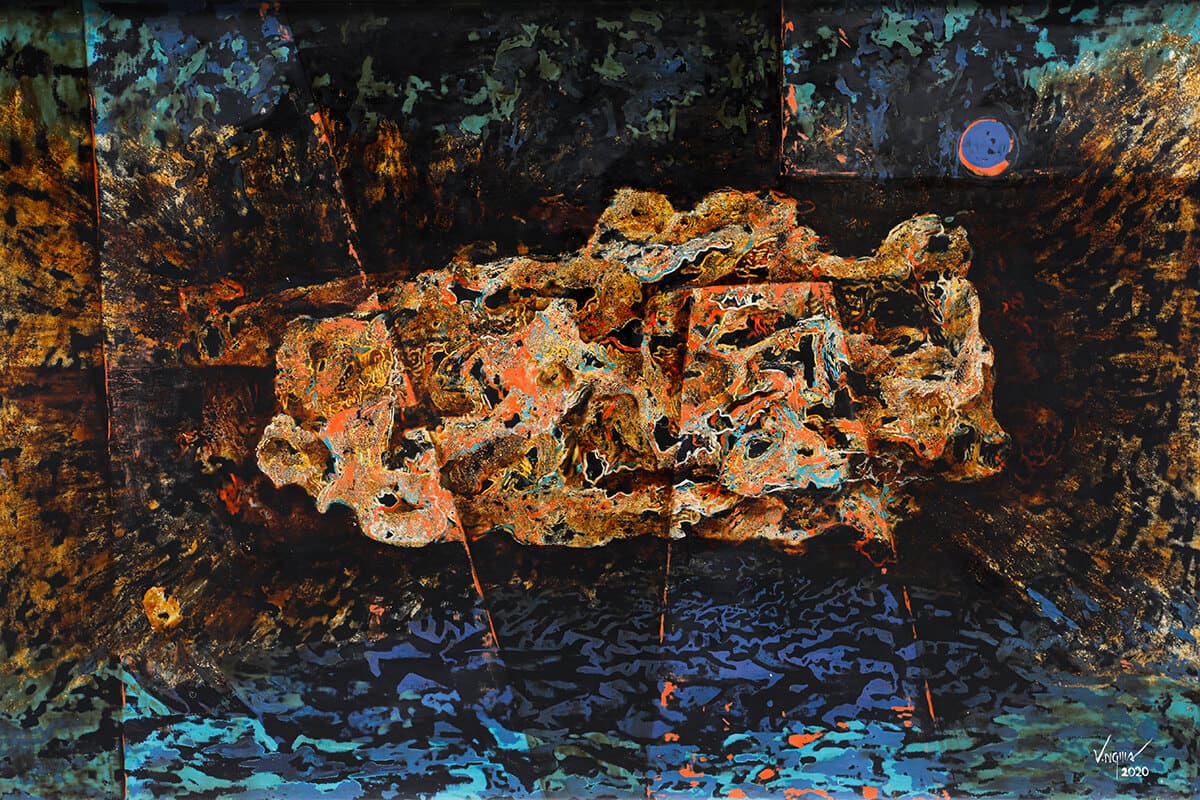
While abstract art originated in Europe and America, it significantly influenced Vietnamese art, particularly through artists trained at the École des Beaux-Arts de l’Indochine. According to VnExpress, Vietnamese artists like Nguyễn Tường Lân and Tạ Tỵ incorporated abstract elements into traditional mediums like lacquer and silk paintings:
- Nguyễn Tường Lân: Employed bold brushstrokes and vibrant colors, drawing inspiration from expressionist abstraction.
- Tạ Tỵ: A pioneer of abstract art in Vietnam, with works like Bến Bờ and Mùa Thu blending abstraction with emotional depth.
- Modern Exhibitions: Galleries in Hanoi and Ho Chi Minh City frequently showcase abstract works by contemporary Vietnamese artists.
How to Identify Abstract Art in Vietnam?
To recognize abstract art in Vietnam, consider these characteristics:
- Powerful Emotions: Vietnamese abstract art often conveys intense emotions through free brushstrokes and vibrant colors.
- Folk Motifs: Many works blend abstract forms with traditional Vietnamese imagery, such as rural landscapes or cultural symbols.
- Individual Style: Artists like Tạ Tỵ used abstraction to express unique personal identities, merging global and local influences.
How to Explore Abstract Art?
Approaching Abstract Art as a Beginner
For those new to abstract art, here are practical ways to start your journey:
- Visit Exhibitions: Explore original works at MoMA (New York), Tate Modern (London), or galleries in Vietnam showcasing local abstract art.
- Read Art Books: Books like Abstract Art by Anna Moszynska offer deep insights into the history and techniques of abstract art.
- Watch Documentaries: Look for films about artists like Kandinsky or Pollock on platforms like YouTube or Netflix.
- Try Painting: Experiment with acrylics or watercolors to create your own abstract pieces, expressing your emotions freely.
Tips for a Deeper Understanding
To deepen your appreciation of abstract art, try these strategies:
- Study Historical Context: Research the modern art movement and events like The Armory Show to understand the origins of abstraction.
- Compare with Other Movements: Contrast abstract art with Impressionism or Surrealism to highlight its unique qualities.
- Take Art Courses: Enroll in online courses on platforms like Coursera or attend workshops at local art centers in Vietnam.
Abstract art is a journey of emotional and creative exploration, from its pioneering history to the iconic works of artists like Kandinsky, Mondrian, and Rothko. With its defining characteristics—vibrant colors, abstract forms, and creative freedom—this style has transformed how we perceive art. Whether you’re visiting museums, exploring galleries, or creating your own abstract pieces, this art form invites you to engage with your emotions and imagination. Share this article to spread the beauty of abstract art and inspire others to discover its transformative power!
Next Steps:
- View Kandinsky’s Composition VII online or at MoMA to experience its emotional depth.
- Learn more about the characteristics of abstract art through books or online resources.
- Share this article to inspire friends to explore the captivating world of abstract art!

